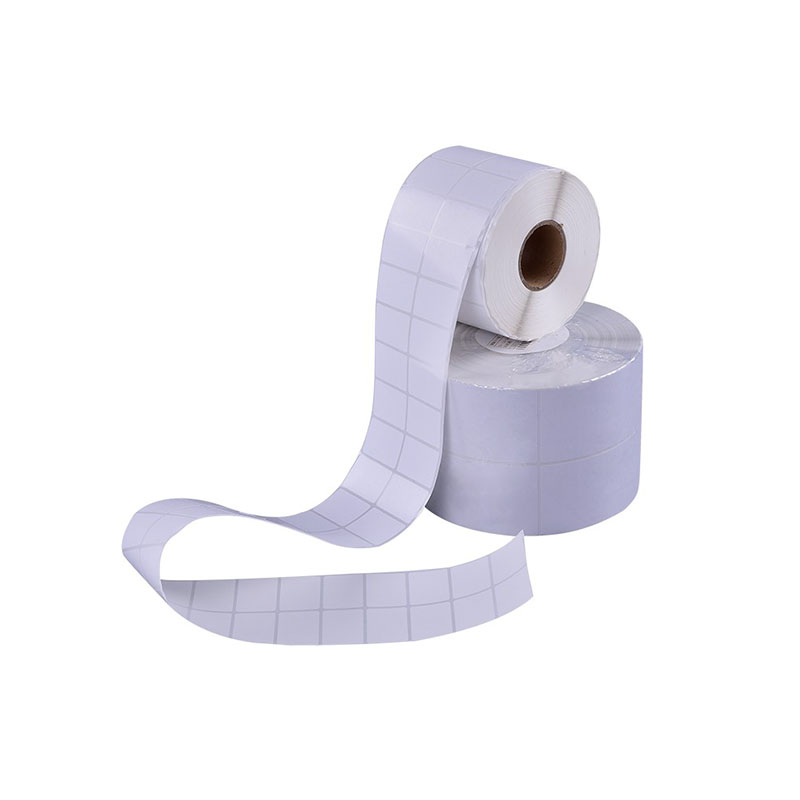
We will broadcast real time self-adhesive label industry information for you
When labeling goes wrong, it rarely fails loudly. A barcode scans “sometimes.” A receipt fades before it’s returned. A wristband smudges during a busy shift. A logistics label peels after one night in a cold room. And suddenly, the problem isn’t one label—it’s returns, disputes, rework, and lost time that teams can’t easily trace back to the paper roll.
This guide explains what Variable Information Papers are, how they work in real-time printing workflows, and what to check before you buy—so labels and receipts stay readable, scanners stay happy, and operations stay predictable. You’ll get a practical selection framework, a troubleshooting checklist, a comparison table for common paper/coating choices, and a FAQ you can share with purchasing, operations, and quality teams.
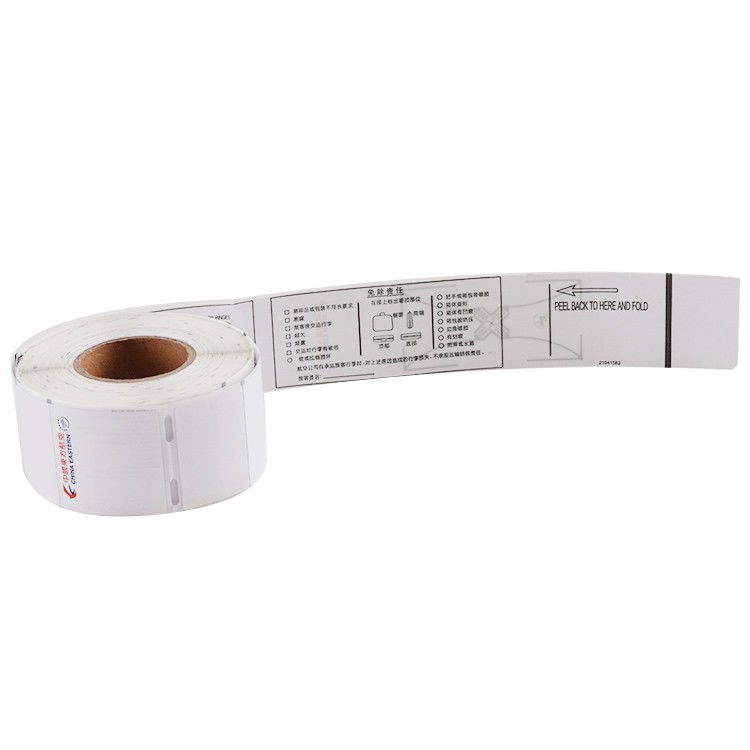
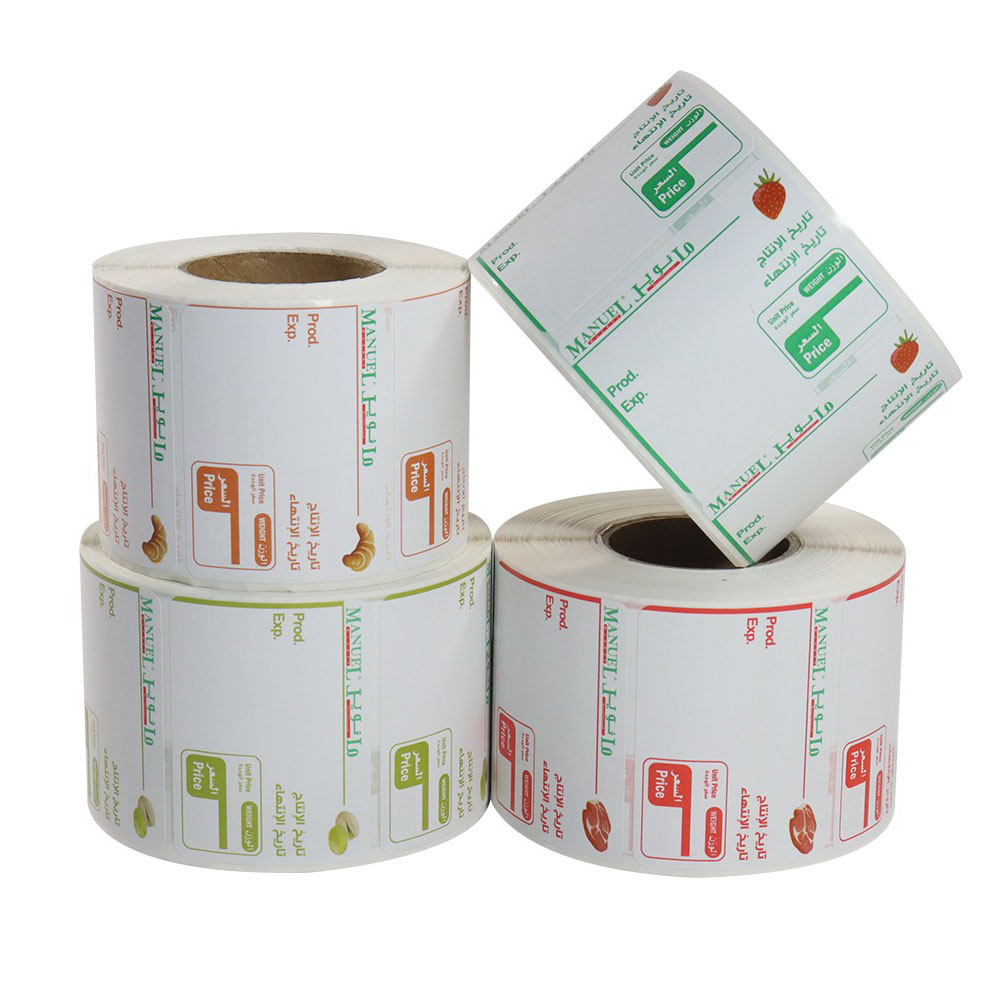
Variable Information Papers are specialty papers made for printing information that changes every time you print: barcodes, serial numbers, batch codes, shipping details, timestamps, patient IDs, price updates, queue tickets, and more. Instead of pre-printing fixed content in a factory and then hoping it still matches reality later, variable printing happens right where decisions happen—at the warehouse station, the POS counter, the lab desk, or the production line.
In many real-world setups, variable printing relies on thermal technology: the paper’s coating reacts to heat from the printhead and develops the image without ink or ribbon. That “no-ribbon” convenience can be a huge operational advantage—but it also means paper quality, coating stability, and storage discipline matter more than people expect.
Simple mental model: If your label content is created “at the moment of action,” you’re depending on Variable Information Papers to turn that moment into a durable record.
Buyers usually start searching for Variable Information Papers after something breaks. Here are the issues that show up most often, plus what they typically mean under the hood:
A good purchase decision starts with three non-negotiables: environment, required lifespan, and printer behavior. Once you define those, Variable Information Papers become much easier to specify.
Step 1: Where will the label live (heat, cold, humidity, sunlight, oils, alcohol wipes, abrasion)?
Step 2: How long must it remain readable (hours, days, months, years)?
Step 3: What printer constraints exist (print speed, printhead type, resolution, label size)?
After that, decide the features that actually protect your workflow:
Use this table as a fast “fit check” when comparing Variable Information Papers options or requesting samples. (Real performance depends on printer settings and the exact environment, so treat it as a starting point for testing.)
| Option | Best for | Trade-offs | What to test |
|---|---|---|---|
| Standard thermal paper | Short-life receipts, low handling, indoor use | More sensitive to heat, oils, abrasion | Fading near heat sources, smudge after handling |
| Top-coated thermal paper | Logistics labels, frequent handling, moderate humidity | Higher cost than standard grades | Rub resistance, legibility after wiping, scan rate |
| Synthetic thermal face stock | Water exposure, oil exposure, harsh handling | Different feel; may need different adhesives | Adhesion on target surface, curling, cut quality |
| Thermal transfer (ribbon-based) | Long-life IDs, compliance labels, high durability needs | Ribbon cost and inventory management | Ribbon match, darkness, chemical resistance |
If you only judge Variable Information Papers by how the first printed label looks, you will miss the failures that hurt later. Use this simple incoming test routine on every new batch (even if it’s the same spec on paper).
Purchasing tip: Ask for sample rolls cut to your exact width and core size. Many problems appear only after the roll is slit and wound at production speed.
Even excellent Variable Information Papers can perform poorly if storage is sloppy. Thermal coatings are sensitive to heat, pressure, and certain chemicals—so treat paper like a controlled consumable, not an office supply.
A supplier can meet your spec once—and still fail you over a year if process control isn’t stable. Before locking in a volume contract for Variable Information Papers, ask questions that reveal whether the supplier understands your risk.
If you want a manufacturer that’s familiar with variable, on-demand print applications across logistics, retail, healthcare, and factory workflows, Guang Dong-Hong Kong (GZ) Smart Printing Co., LTD. supplies Variable Information Papers and related thermal materials in multiple grades and formats, with customization support that helps teams match paper performance to real operating conditions.
Q: Are Variable Information Papers only used for barcodes?
A: No. They’re used for any content that changes at print time—serial numbers, batch codes, timestamps, patient identifiers, price updates, shipping routes, queue tickets, and more.
Q: What’s the biggest reason thermal labels look fine today but fail later?
A: Lifespan mismatch. If the label must remain readable for weeks or months, you may need a more durable coating, different face stock, or a ribbon-based method depending on exposure conditions.
Q: How can I reduce scan failures without changing printers?
A: Start with paper matching and settings: confirm the paper grade supports your print speed, increase print darkness only as needed, and run a scan-rate test across the roll. Consistency matters more than peak darkness.
Q: Do top-coated papers always solve smudging?
A: They help, especially against handling and humidity, but they’re not magic. Oils, abrasion, and certain cleaners can still cause issues. Always test using the same gloves, surfaces, and wipe routines your staff uses.
Q: Why do some rolls jam more than others even with the same label size?
A: Roll mechanics: winding tension, edge quality, dust, core fit, and curling. These factors affect feeding and sensor detection at speed.
Q: What should I request in a sample package?
A: Sample rolls slit to your exact width and core size, plus a short spec sheet describing the recommended print energy range and the best-fit environments (indoor, cold storage, high handling, etc.).
Q: Can Variable Information Papers work in cold chain logistics?
A: Yes, but cold chain success depends on both the face stock/coating and the adhesive system. Test adhesion after temperature cycling and verify scanning after condensation exposure.
In busy operations, the paper roll is a quiet dependency: if it’s right, nobody notices; if it’s wrong, every department feels it. The smartest way to buy Variable Information Papers is to define your environment and required lifespan first, then verify performance with simple incoming tests that mirror real handling.
If you’re planning to standardize paper grades, reduce reprint waste, or upgrade label durability across multiple sites, contact us to discuss your application details and request matched samples from Guang Dong-Hong Kong (GZ) Smart Printing Co., LTD.