Guang Dong-Hong Kong (GZ) Smart Printing Co., LTD.
News

NEWS

We will broadcast real time self-adhesive label industry information for you

How Can Variable Information Papers Make Personalized Printing More Reliable?

2026-01-13 0 Leave me a message

Article Abstract

If you print invoices, statements, tickets, shipping documents, labels, or personalized direct mail, you already know the real enemy isn’t “printing” — it’s inconsistency. Barcodes that scan in testing but fail in the warehouse. Toner that flakes after folding. Ink that feathers on one batch and dries perfectly on another. Paper curl that triggers jams at the worst time. And the cost you don’t see on the purchase order: reprints, delayed shipments, customer complaints, and time lost chasing root causes.

Variable Information Papers are built to keep variable data (names, addresses, serial numbers, QR codes, barcodes, offers, tracking IDs) crisp and stable across high-volume runs. In this guide, I’ll break down where failures really come from, which paper properties matter most, how to match paper to laser/inkjet/thermal workflows, and what questions to ask before you commit to a supplier. You’ll also get a practical checklist and a decision table you can use immediately.


Table of Contents


Outline

  1. Define what Variable Information Papers are and why “generic paper” often fails under variable-data workloads.
  2. Map common operational pain points to the paper properties that prevent them.
  3. Use a simple spec checklist to avoid trial-and-error purchasing.
  4. Match paper choice to laser, inkjet, and thermal printing realities.
  5. Apply a workflow table for billing, logistics, labeling, and personalized communications.
  6. Wrap with supplier questions, FAQs, and a practical next step.

What Variable Information Papers Actually Are

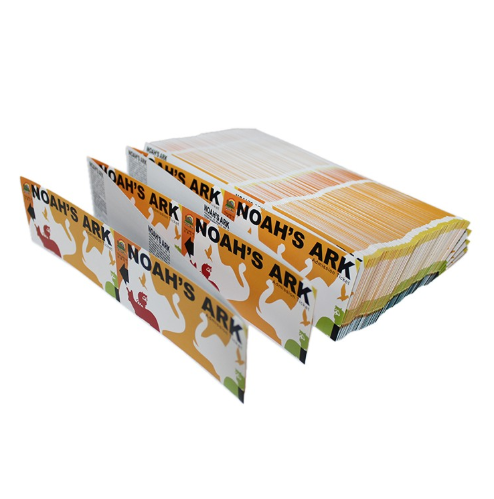
Variable Information Papers

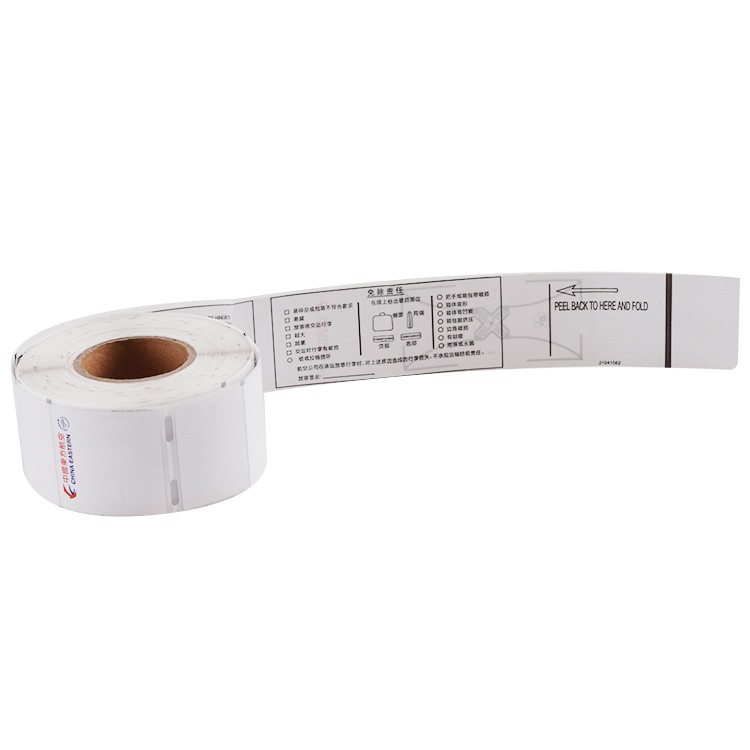
Variable Information Papers are paper stocks engineered for printing content that changes from one page (or label) to the next — such as customer names, addresses, account numbers, unique coupon codes, serial numbers, QR codes, barcodes, and tracking IDs. The “variable” part makes the job harder than it looks, because it forces your process to be consistent across every single impression.

Standard office paper can look fine for a handful of pages, but high-volume variable jobs push paper in ways that expose weak points: toner adhesion under folding, ink drying time under speed, static that causes double-feeds, curl that triggers jams, and surface variance that breaks barcode contrast. Good Variable Information Papers reduce that variance so your printers and finishing equipment behave predictably.

The real promise:

fewer reprints, fewer jams, cleaner scans, sharper text, and a smoother handoff from print → finishing → packing → customer.


The Pain Points That Break Variable Data

When variable data fails, people tend to blame the printer or the software. Sometimes that’s true — but paper is the quiet multiplier. Here are the issues I see most often, and why the paper choice matters:

  • Barcode/QR scan failures: inconsistent surface, ink spread, or toner scatter can reduce edge definition and contrast.
  • Smudging and set-off: ink that doesn’t dry fast enough, or coatings that aren’t compatible with your ink chemistry.
  • Jams and misfeeds: curl, static, uneven caliper, dusting, or low stiffness in the wrong environment.
  • Flaking after folding/perforation: toner adhesion problems show up during finishing, not during printing.
  • Color shifts across lots: brightness/whiteness changes alter perceived color and readability of small text.
  • Customer trust issues: if statements look “cheap” or inconsistent, people question the legitimacy of the document.

The point isn’t perfection — it’s control. Variable Information Papers are chosen to keep the output stable enough that your process doesn’t need constant babysitting.


A Buyer’s Checklist Before You Order

If you’ve ever ordered paper based on “weight and size” and then discovered problems mid-run, you’re not alone. Here’s a practical checklist you can use to specify Variable Information Papers without overcomplicating it:

  • Paper type and finish: uncoated, matte coated, or inkjet-treated? (Finish affects ink/toner behavior.)
  • Basis weight (GSM): heavier isn’t always better; choose based on stiffness, folding, and postage needs.
  • Caliper consistency: critical for feeders, duplexing, and finishing alignment.
  • Opacity: important for double-sided statements so variable data doesn’t show through.
  • Brightness/whiteness: affects readability and barcode contrast.
  • Moisture control and anti-curl behavior: especially if you print fast or store in varied climates.
  • Dusting and lint: reduces maintenance and keeps printheads/rollers cleaner.
  • Perforation, die-cut, or adhesive needs: if you’re making tear-off stubs, labels, or mailers.
  • Security options: watermark, micro-patterns, UV fibers, tamper-evident features (when needed).

Matching Paper to Your Print Technology

The best Variable Information Papers are “right” only in the context of your printers and finishing steps. Use this table as a quick guide:

Print Technology What Usually Goes Wrong Paper Properties That Help Common Use Cases
Laser (toner) Toner flake after folding, curl from heat, static-driven misfeeds Heat stability, strong toner anchorage, anti-static control, consistent caliper Statements, invoices, transactional mail
Inkjet (production) Feathering, slow dry, set-off, barcode edge blur at high speed Inkjet-optimized surface, fast absorption + controlled spread, high opacity Direct mail, personalized brochures, variable coupons
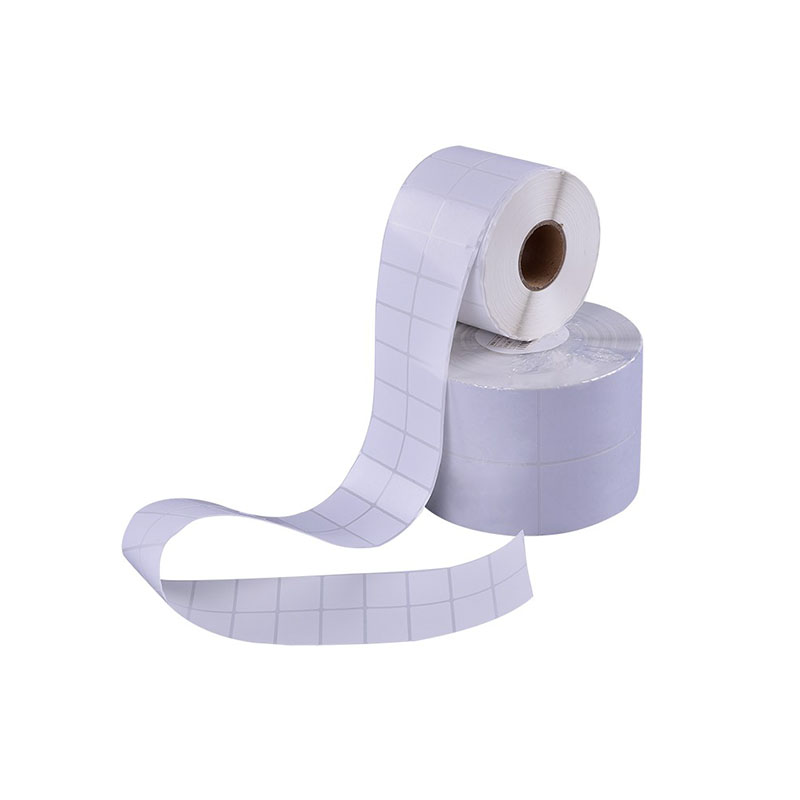
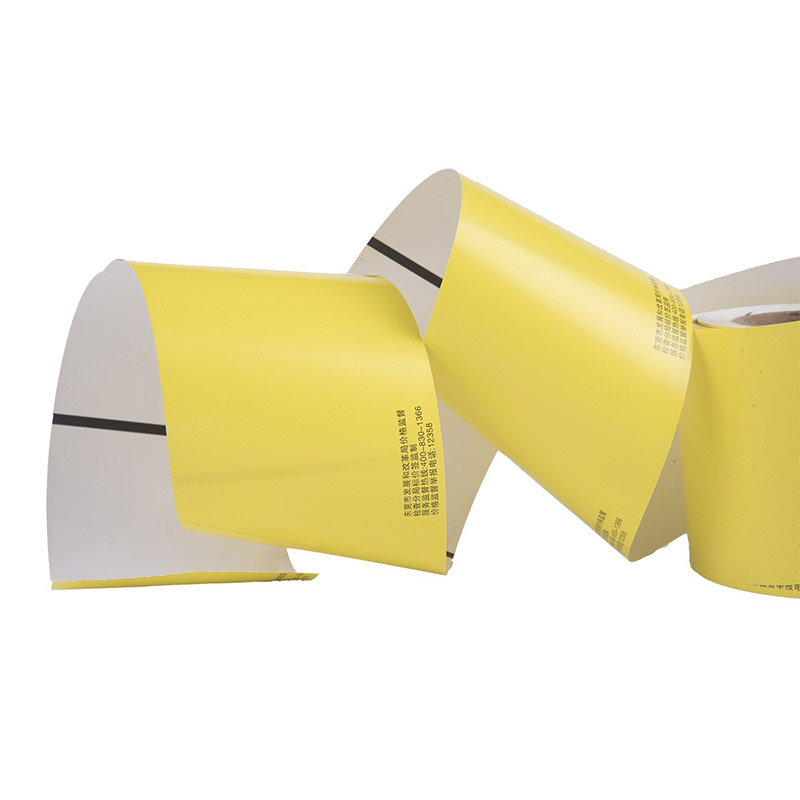
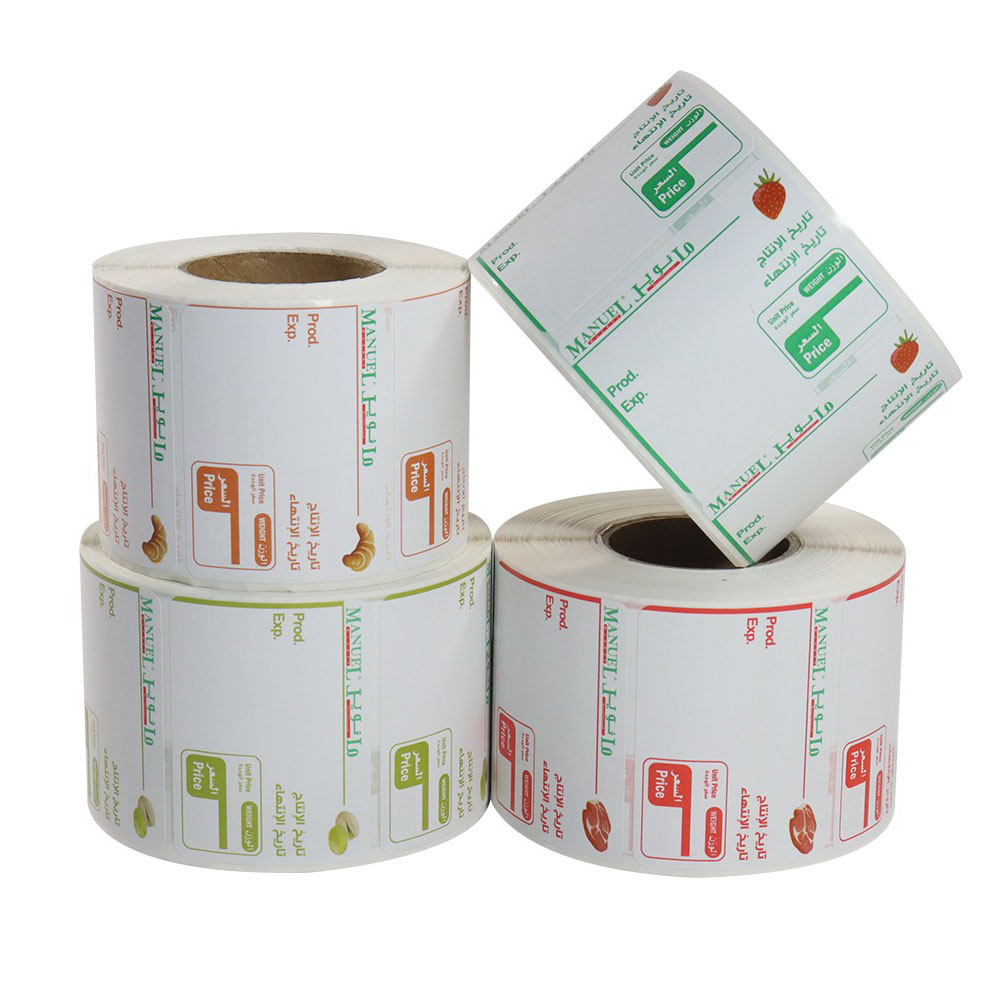
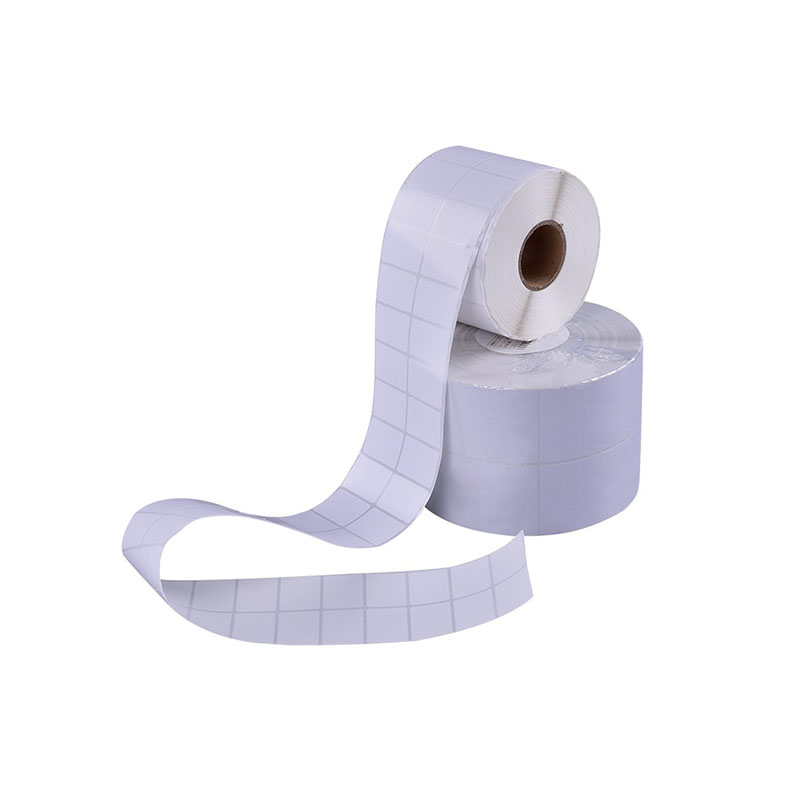
Thermal (direct/transfer) Fading, abrasion, chemical sensitivity, label curling Thermal coating stability, topcoat protection, adhesive matched to application Shipping labels, tracking labels, warehouse tags

If you’re running mixed fleets (for example, laser for statements and thermal for logistics), it’s normal to source multiple grades. The goal is not “one paper for everything,” but a controlled set of Variable Information Papers that your team can trust.


Where They Perform Best in Real Workflows

Variable data printing isn’t one job — it’s many small jobs chained together by deadlines. Here’s how the paper choice reduces friction by workflow:

  • Billing and statements: higher opacity supports duplex readability; stable surfaces keep tiny numbers sharp; better fold performance reduces post-print defects.
  • Logistics and shipping: scan reliability becomes non-negotiable; thermal stability and adhesive performance matter as much as the barcode itself.
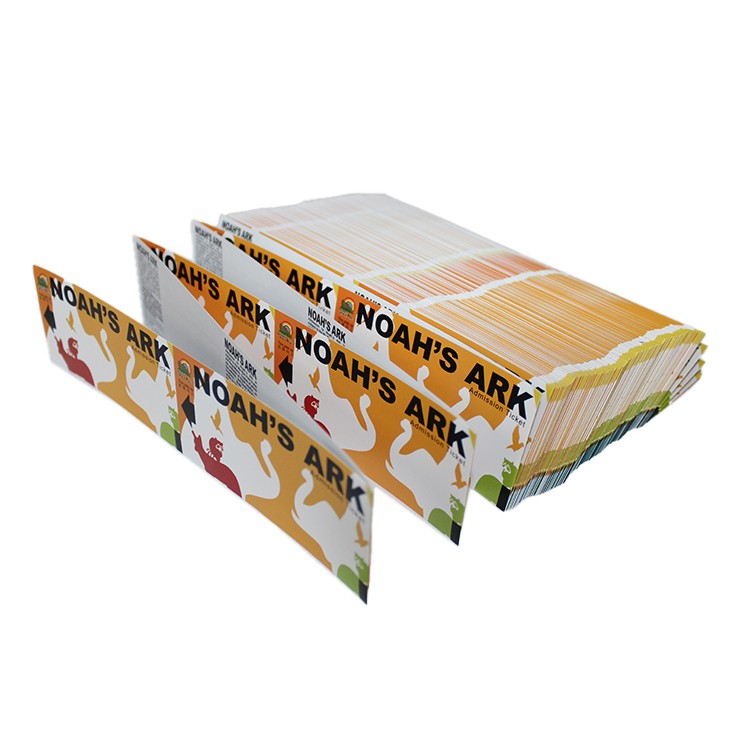
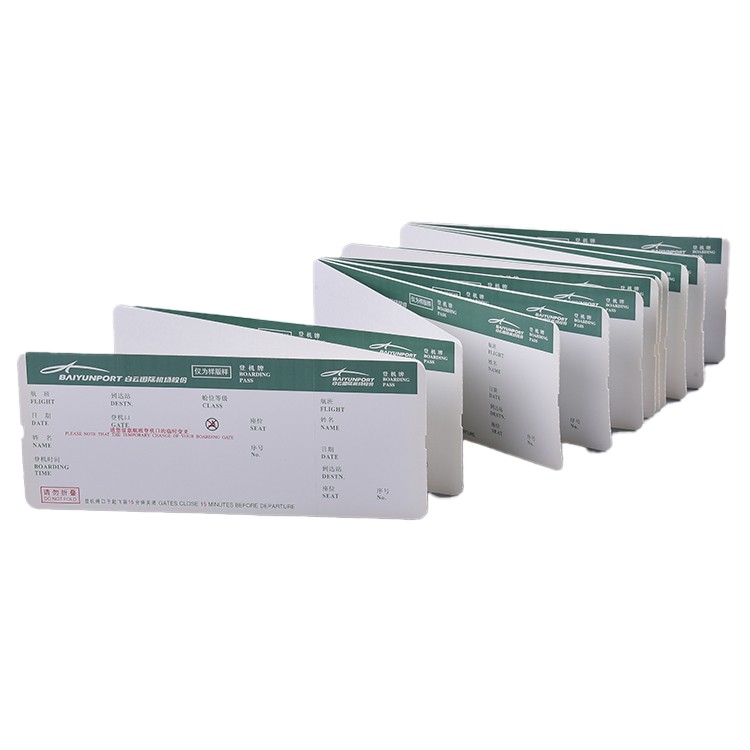
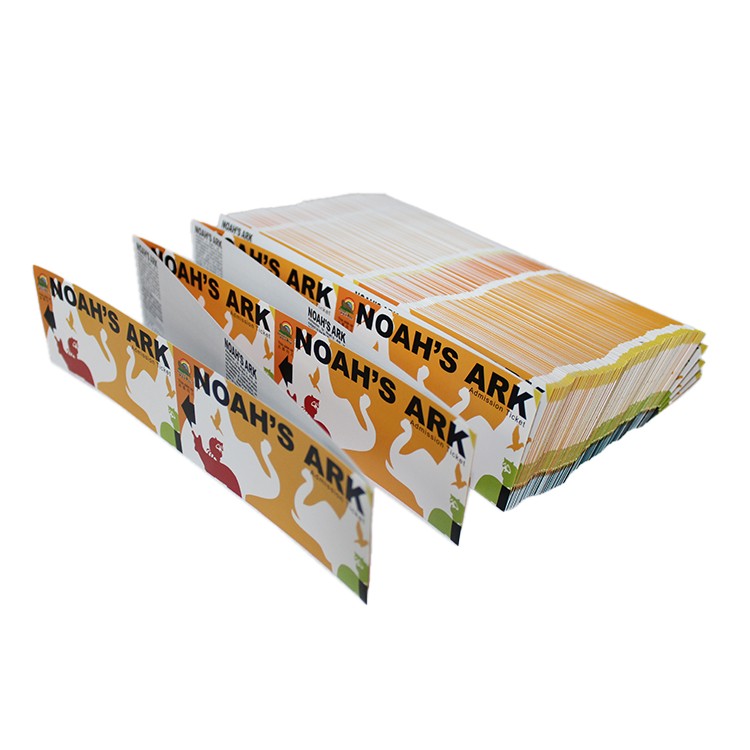
  • Event tickets and credentials: durability, tear resistance, and optional security patterns protect brand trust and access control.
  • Personalized direct mail: color consistency and ink control prevent “cheap” appearance; controlled curl helps automated finishing and insertion.
  • Product labels and traceability: serial numbers and QR codes must survive handling; surface and coating choices support long-term readability.

A simple test that saves headaches:

Don’t just print a sample sheet. Run a short sample through your full process: printing → finishing (fold/perf) → insertion or packing → scanning. That’s where paper issues reveal themselves.


Quality, Scannability, and Security Basics

Variable documents often carry sensitive or high-stakes information — invoices, account statements, shipping IDs, warranty cards, and more. That’s why Variable Information Papers are frequently chosen with both readability and risk control in mind.

  • Scannability: barcode success depends on sharp edges and stable contrast. Paper brightness, coating behavior, and print dot control all affect that.
  • Durability: abrasion resistance matters for shipping labels and tickets; fold resistance matters for mail pieces.
  • Security features: if your documents are targets for tampering or counterfeiting, consider built-in options like watermarks, anti-copy patterns, microtext-style backgrounds, or UV-reactive fibers.
  • Consistency across batches: variable workflows fail when a new lot behaves differently. Supplier controls and QC are part of “paper quality.”

You don’t need every security feature for every job. But you do want a paper platform that can scale up when your risk profile changes — without forcing you to rebuild the entire production process.


Reducing Total Cost Without Risking Uptime

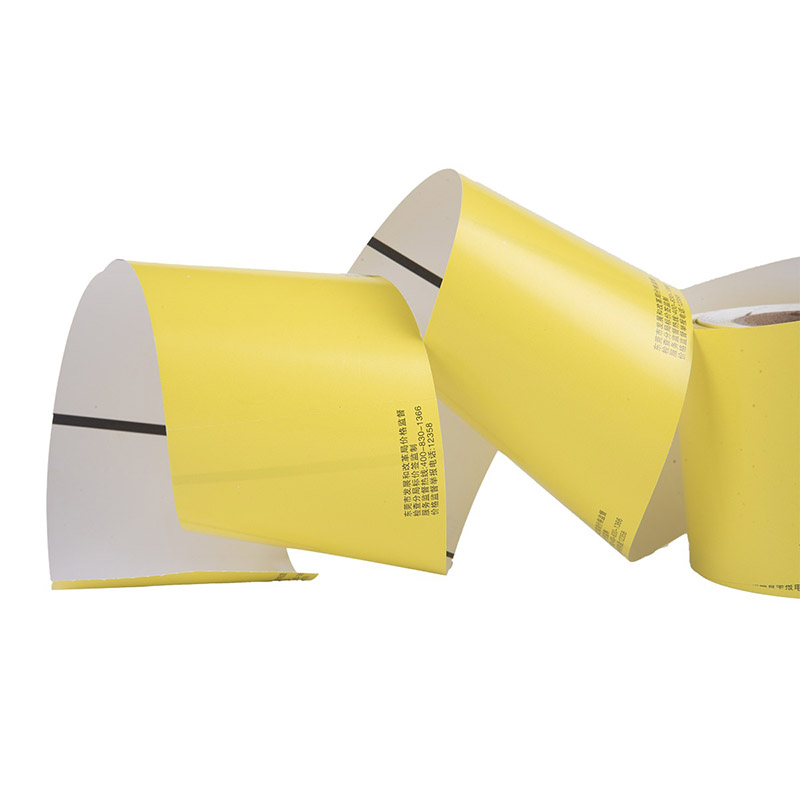
Variable Information Papers

The cheapest sheet can become the most expensive decision if it causes downtime. When you evaluate Variable Information Papers, it helps to separate “price per ream” from “cost per finished deliverable.”

  • Reprints: a small defect rate becomes massive at scale.
  • Downtime: jams and maintenance steal operator time and delay SLAs.
  • Post-print waste: defects often appear during folding/perforation/insertion.
  • Customer support cost: unreadable statements or failed labels create downstream workload.

A smart cost strategy is to standardize on a dependable grade for high-volume runs, then reserve specialty papers for security-critical or durability-critical jobs. That balance is where Variable Information Papers shine: targeted performance, not overkill.


How to Evaluate a Supplier

Good paper is partly materials science, partly process discipline. When you’re sourcing Variable Information Papers, ask questions that reveal how a supplier prevents surprises:

  • Compatibility support: can they recommend grades based on your printer models and finishing steps?
  • Customization options: sizes, perforation, die-cut, pre-print, adhesive, security elements, packaging format.
  • Lot-to-lot control: what QC checks ensure consistent caliper, moisture, and surface behavior?
  • Sampling approach: do they provide test rolls/sheets and help you validate in your real workflow?
  • Lead time and reliability: can they keep you supplied when demand spikes?

If you want a partner that can support both everyday transactional printing and higher-complexity variable applications, companies like Guang Dong-Hong Kong (GZ) Smart Printing Co., LTD. typically emphasize configurable formats, production consistency, and practical guidance on paper selection—so you spend less time troubleshooting and more time shipping finished work.


FAQ

  • Do Variable Information Papers only matter for “fancy” personalization?
    Not at all. They’re most valuable in boring-but-critical jobs: bills, statements, shipping labels, and any document where a single bad code creates real operational cost.
  • How many times should I test before committing?
    At minimum, validate a small run through your full workflow (print → finish → scan/handling). If you operate in varied climates or multiple sites, test in at least two environments.
  • Will a heavier paper always reduce jams?
    Not necessarily. Weight can help stiffness, but curl control, moisture balance, caliper consistency, and static behavior often matter more than simply going heavier.
  • What’s the fastest way to improve barcode scan rates?
    Improve edge definition and contrast: choose a paper surface that controls spread/scatter for your print technology, then confirm with real scanners under real handling conditions.
  • Can Variable Information Papers include security features?
    Yes. Depending on your needs, suppliers can offer options like watermarks, anti-copy patterns, or other built-in features designed to make tampering and counterfeiting harder.
  • What information should I send a supplier to get the right recommendation?
    Printer type (laser/inkjet/thermal), speed, whether you duplex, finishing steps (fold/perf/die-cut), storage conditions, and your most important outcomes (scan rate, durability, premium feel, cost control).

Next Steps

If your operation depends on clean scans, consistent finishing, and fewer last-minute reprints, the right Variable Information Papers can remove a surprising amount of daily friction. Start with a short workflow-based test, lock down a stable spec, and standardize your purchasing so every batch behaves like the last.

Want help matching paper specs to your exact printers and applications? Reach out to Guang Dong-Hong Kong (GZ) Smart Printing Co., LTD. with your use case and current pain points — we’ll point you to a practical option and a clear test plan. Contact us to get a tailored recommendation and make your next variable-data run smoother from the first sheet to the final scan.

Related News
Leave me a message
X
We use cookies to offer you a better browsing experience, analyze site traffic and personalize content. By using this site, you agree to our use of cookies. Privacy Policy
Reject Accept