We will broadcast real time self-adhesive label industry information for you
When your operation depends on accurate barcodes, serial numbers, batch data, and time-sensitive receipts, your weakest link often isn’t the printer—it’s the paper. Variable Information Papers are engineered for fast, on-demand printing of changing data, helping teams reduce misreads, speed up workflows, and keep traceability intact from the first scan to the final delivery.
In this guide, you’ll learn what Variable Information Papers are, where they outperform ordinary stocks, how to choose the right grade for your environment, and how to roll them out with fewer surprises. You’ll also find selection tables, implementation tips, and a FAQ you can forward to procurement or QA.
Variable-data printing is ruthless: the information changes constantly, but the tolerance for mistakes stays at zero. When a label fails, you don’t just lose a piece of paper—you lose time, inventory accuracy, and customer trust.
Common operational pain points (and why generic paper makes them worse):
Variable Information Papers are specialty printing papers designed for instant output of dynamic data—think barcodes, serial numbers, timestamps, patient identifiers, routing codes, or price updates. The goal isn’t “pretty printing.” The goal is reliable, readable, scannable information at speed.
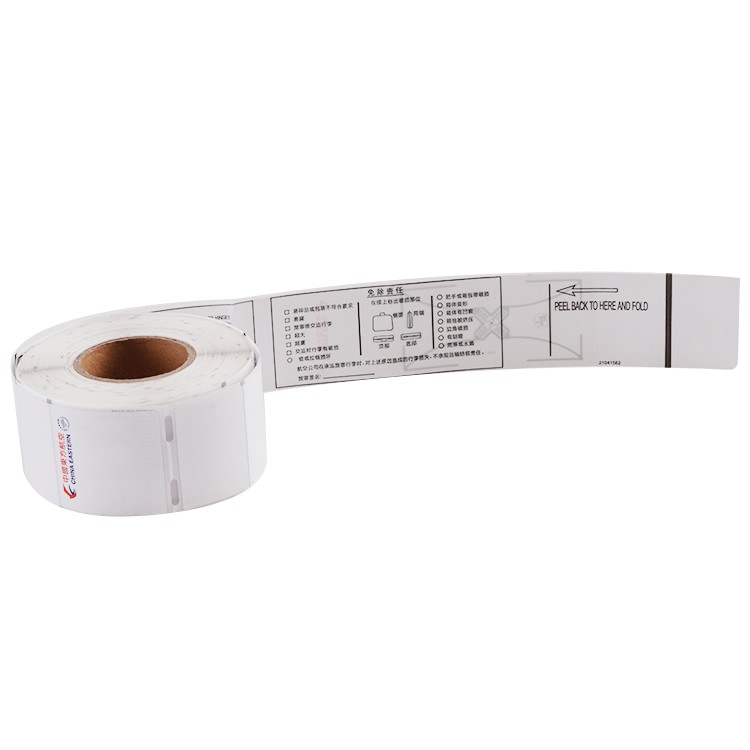
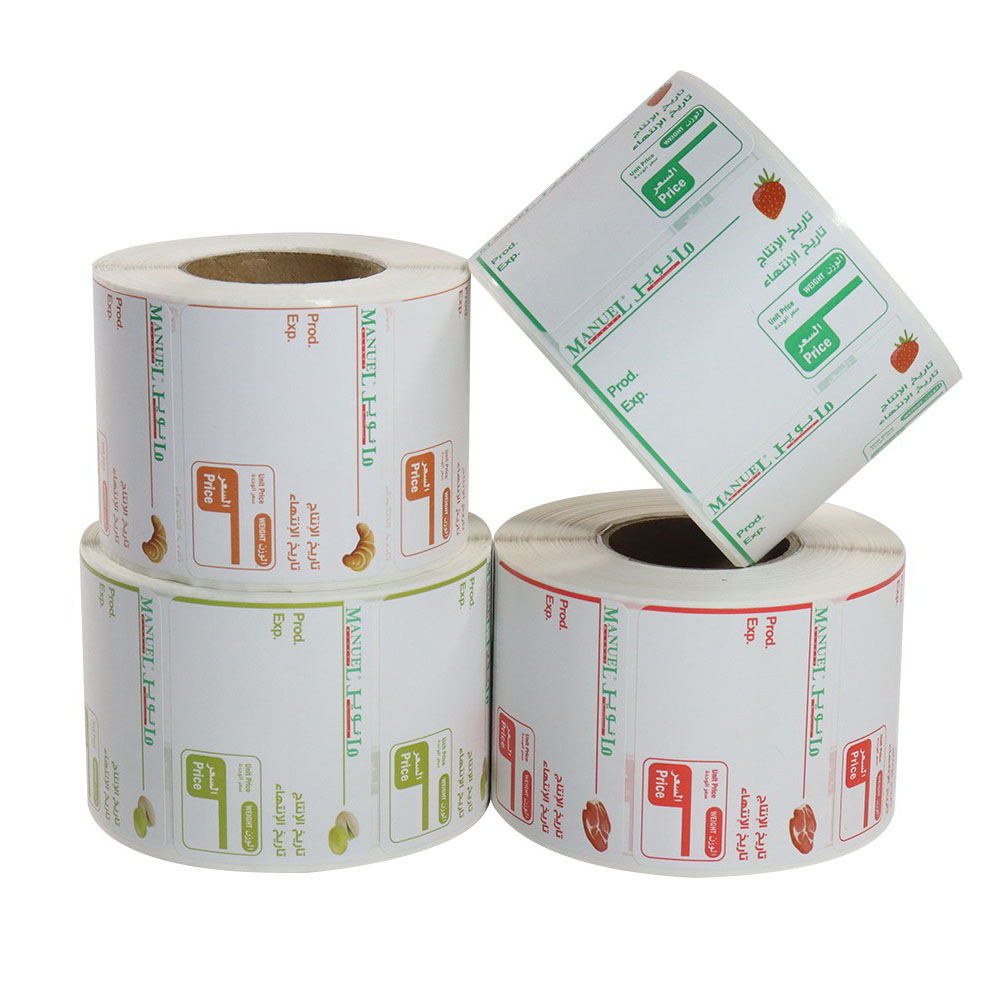
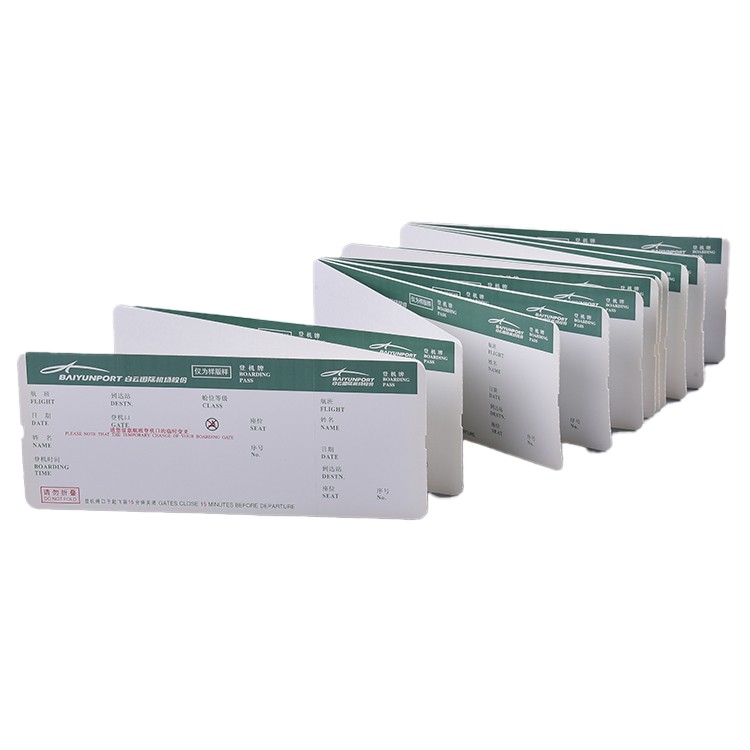
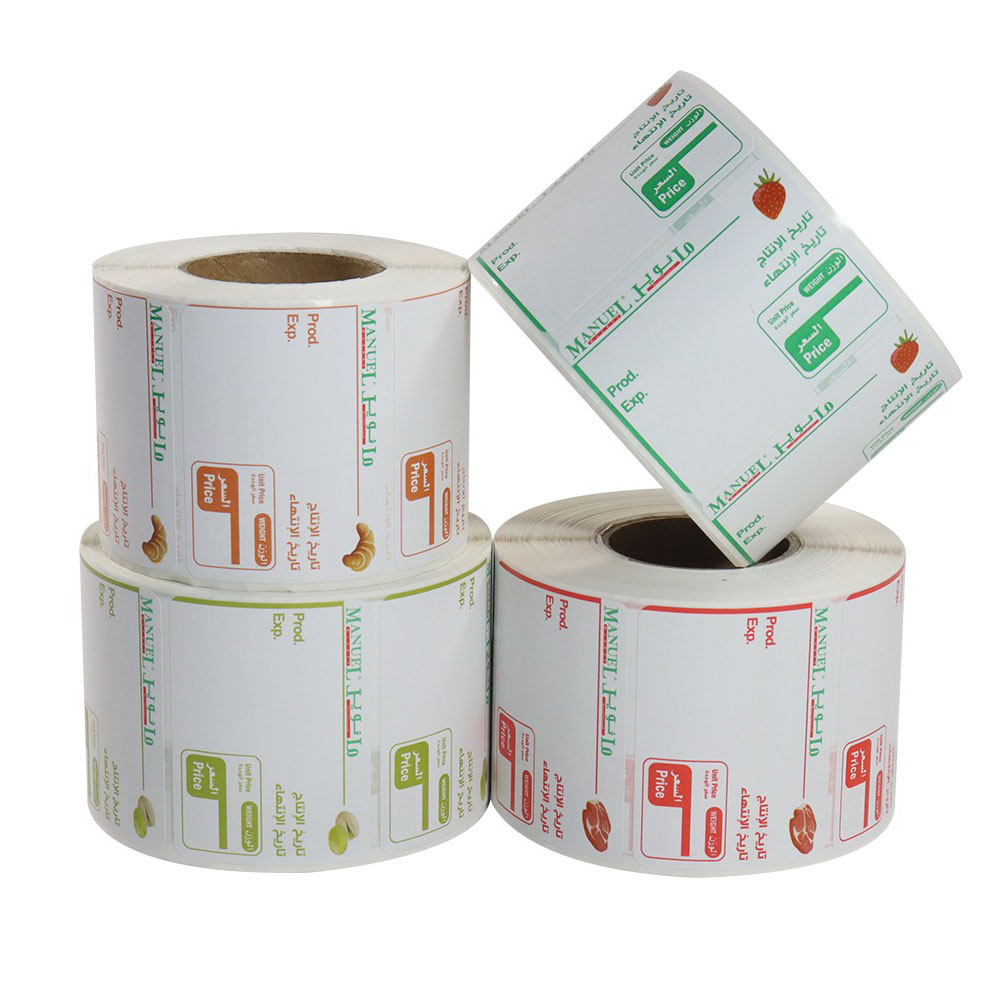
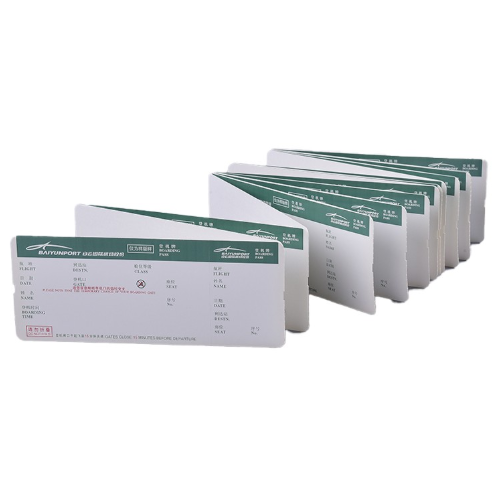
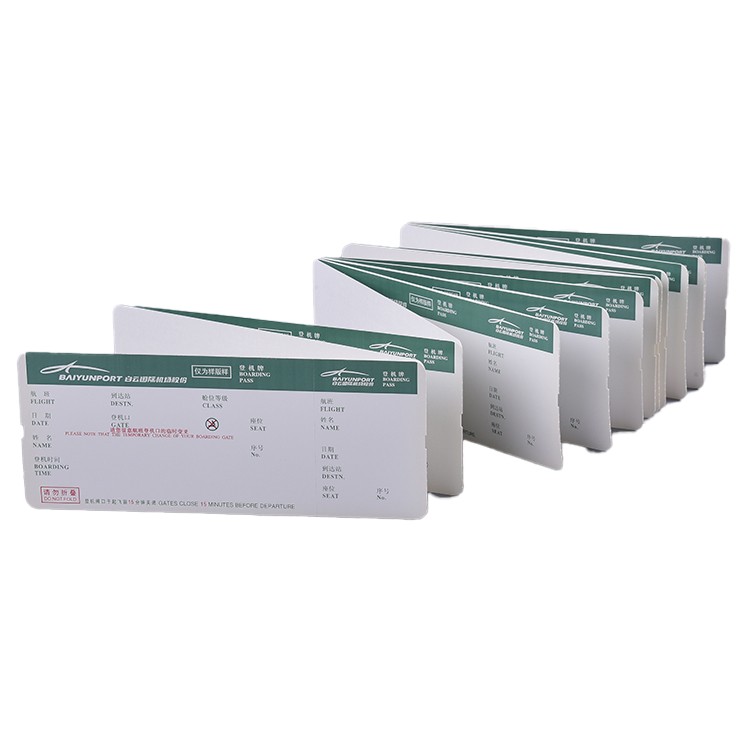
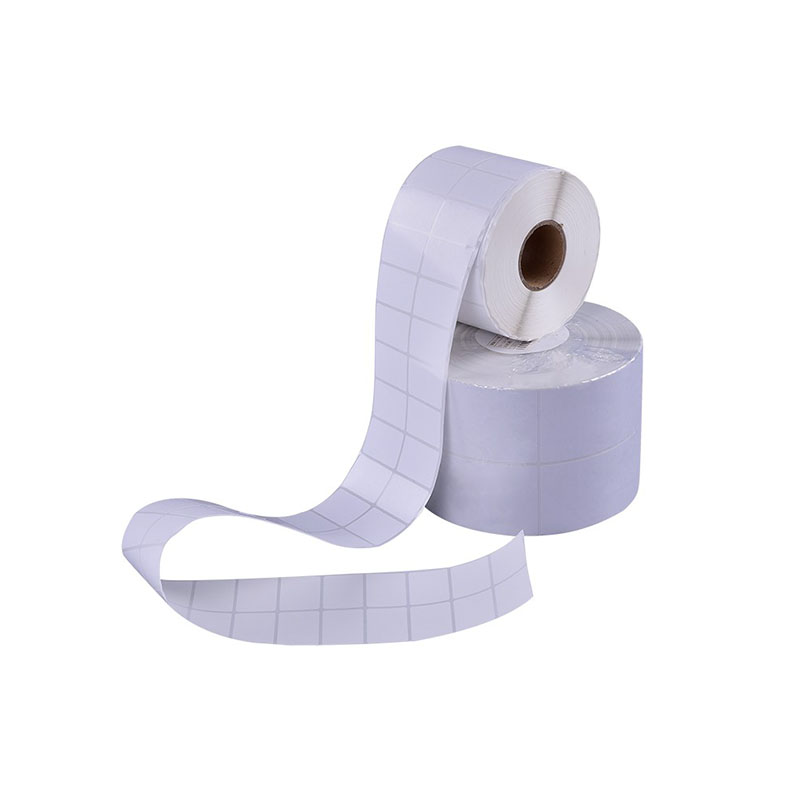
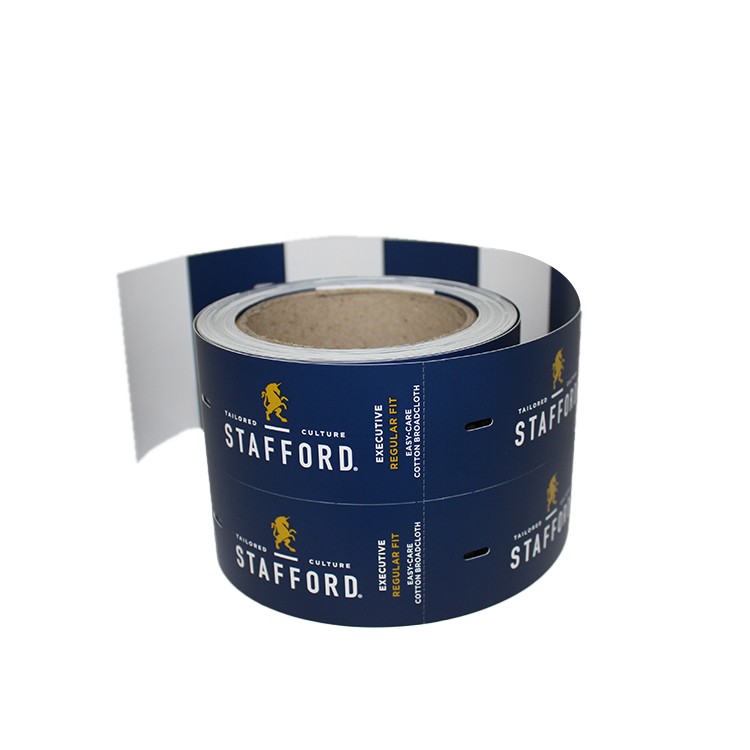
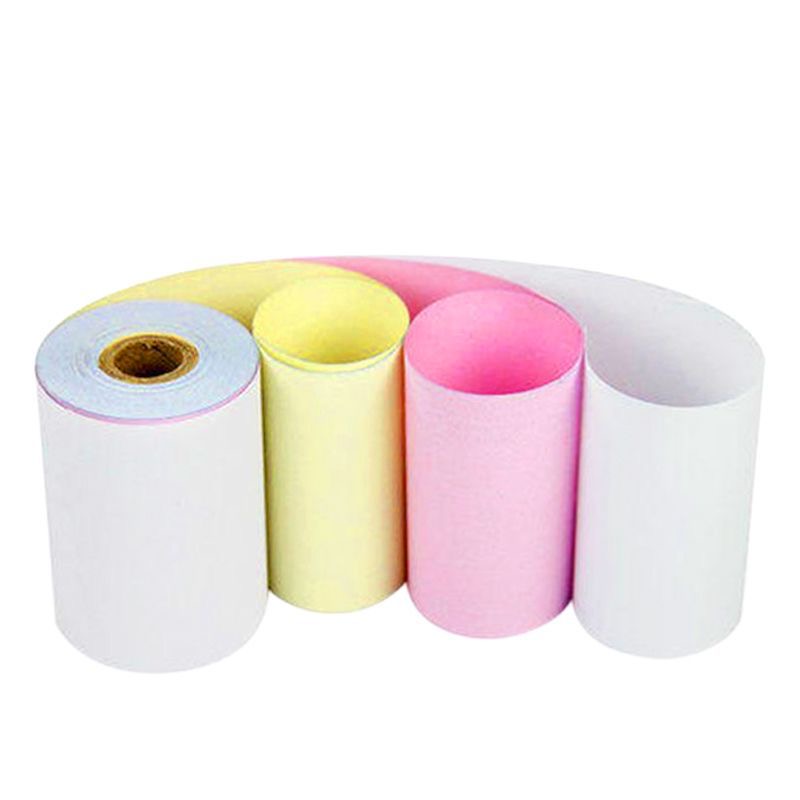
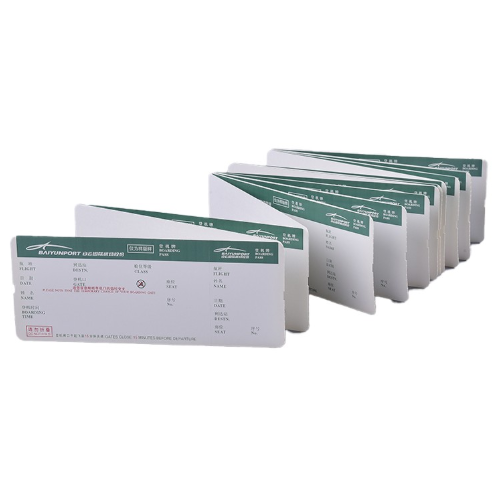
They’re often used in formats that operations teams love: rolls, fanfold stacks, or cut sheets—whatever best fits the printer and workflow. Depending on your application, you might pair them with adhesives, liners, or protective layers, but the core purpose stays the same: on-demand variable data that holds up during use.
What they are not: a one-size-fits-all paper that magically survives every condition. Choosing the correct grade is still essential, because “warehouse dry” and “freezer wet” are two different planets.
Many variable-data workflows favor thermal printing because it’s quick and clean. Instead of relying on traditional ink transfer, thermal systems create images using heat. In practical terms, that can mean fewer consumables to manage and faster, more consistent output when the paper is matched to the printer.
Here’s the simple breakdown:
The takeaway: your print quality is a system outcome—paper chemistry, printer settings, handling conditions, and data formatting all interact. Fixing only one piece rarely fixes everything.
If you print information that changes every minute, Variable Information Papers are a practical fit—especially where scan accuracy and speed define success.
| Industry | Typical variable data | Examples of use | What matters most |
|---|---|---|---|
| Logistics & express delivery | Tracking IDs, routing codes, timestamps | Electronic waybills, freight labels, cold chain traceability codes | Scan rate, abrasion resistance, humidity tolerance |
| Retail & food service | Prices, order numbers, pickup info | Receipts, shelf labels, takeaway receipts | Print contrast, speed, smudge resistance |
| Healthcare | Patient ID, specimen codes, dosage info | Specimen labels, prescription notes, wristbands | Legibility, wipe resistance, process consistency |
| Smart manufacturing | Batch/lot, QC logs, asset barcodes | Process cards, inventory barcodes, QC inspection records | Durability, long-run consistency, traceability |
Procurement teams often ask for “thermal paper,” and operations teams later wonder why scans fail in the field. A better approach is to choose by environment and handling reality, then confirm compatibility with your printers.
Selection checklist you can reuse for RFQs and internal approvals:
If you’re choosing between two candidates, don’t guess—test. A small trial run that includes real handling (rubbing, wiping, freezing, scanning) is cheaper than a full reprint and a delayed shipment wave.
Even great Variable Information Papers can disappoint if implementation is rushed. The good news: a few disciplined steps usually prevent most “mystery failures.”
The paper isn’t a commodity if your operation depends on scan accuracy. A strong manufacturing partner should help you reduce risk, not just quote a price.
Look for these capabilities during supplier evaluation:
This is where experienced producers can make your life easier. For example, Guang Dong-Hong Kong (GZ) Smart Printing Co., LTD. focuses on developing variable-data printing paper solutions for high-frequency, real-time information output—useful when you’re balancing speed, scan reliability, and operational consistency.
If your business runs on scanning, routing, identification, and real-time updates, the right Variable Information Papers are not a minor purchasing decision—they’re a reliability decision. The best results come from matching paper performance to your environment, validating with real handling tests, and standardizing printer settings across lines.
Want fewer reprints, cleaner scans, and smoother peak-season throughput? Tell us your printer models, application scenario, and environmental conditions, and we’ll help narrow down the best-fit Variable Information Papers for your workflow.
Ready to move faster with less risk? Please contact us to discuss samples, customization options, and a rollout plan that won’t interrupt your operations.
-